Our Blog: Central Maryland Real Estate News, Tips & Local Insights

Whether you’re buying your first home, preparing to sell, or simply staying informed, you’ve come to the right place. Our blog is your trusted resource for Central Maryland real estate market updates, home values, buying and selling tips, homeowner advice, and local community news.

At Rivero Realtors, we believe real estate is about more than just houses—it’s about helping people find the right place to call home. That’s why we share timely information, practical advice, and local insights to help you make confident decisions every step of the way.

If you ever have a question about the market, a neighborhood, or your next move, we’re just a phone call away. We’d love the opportunity to help.

We Care... And It Shows!

Rich & Debbi Rivero

Rivero Realtors | RE/MAX Advantage Realty

July 25, 2026

Finding Stability and Growth Through Relocation After Divorce

For divorced individuals packing up a life and relocating, the to-do list can feel endless while emotions are already running high. Relocation challenges stack up fast, housing decisions, co-parenting logistics, budget pressure, and the awkward reality of starting over after divorce in a place that doesn’t yet feel like home. That mix of practical demands and emotional overwhelm can make every choice feel heavier than it should. Still, a move can create fresh start opportunities when it’s treated as the first step toward post-divorce stability.

Understanding the Mindset That Makes a Move Supportive

Relocation after divorce works best when you treat it as a support system, not a test you must pass. Because divorce is a legal and emotional process, the real goal is rebuilding steadiness through routines, small wins, and a home setup that makes healthy choices easier. Each completed step becomes proof you can rely on yourself again.

This matters because stability rarely arrives in one big moment. It shows up when mornings feel manageable, decisions feel less loaded, and your week has a rhythm. Those tiny wins reduce stress and create momentum, especially during the whirlwind of emotions that follows a major life change.

Think of your move like resetting a room after a storm. You start with one anchor, a bedtime routine, a five-minute tidy, a weekly grocery plan. After a few weeks, your environment starts coaching you toward calm. That same steady confidence can carry into a job shift and new career direction.

Plan a Values-Aligned Career Reset Alongside Your Move

Once you’ve grounded your move in a supportive mindset, it can also be the moment to rethink what you want your work life to feel like. After divorce, a career change can reenergize personal growth, especially if you’ve been feeling stuck and that stagnation is starting to drain your motivation and day-to-day fulfillment. Realigning your work with your values can boost confidence, improve overall wellness, and make your new location feel like a genuine fresh start rather than just a new address.

And it’s not happening in a vacuum: studies suggest that as burnout and dissatisfaction rise, many employers are prioritizing external hiring over developing the talent they already have, deepening skills gaps and leaving workers with fewer clear paths to grow where they are. If that sounds familiar, exploring education-based resources like University of Phoenix jobs can help you identify what’s getting in the way and consider realistic options that fit who you are now.

Use This Setup to Make Your New Home Support You

A new address won’t fix everything, but a supportive home environment can absolutely lower your day-to-day stress. Use this simple setup to make your space feel steady, functional, and ready for the new routines you’re building.

  1. Lock in your “first 48 hours” essentials: Unpack the beds, one set of towels, basic dishes, and a week’s worth of clothes before anything decorative. Put chargers, meds, school/work bags, and keys in one visible “launch spot” near the door. This is a stress reduction strategy disguised as packing, when you can sleep, shower, and get out the door smoothly, your nervous system calms down.
  2. Create three calm zones (sleep, food, paperwork): Pick one small area for each: a bedtime corner that stays screen-free, a simple food station with grab-and-go staples, and a paperwork spot with one folder for “urgent.” Post-divorce home setup gets easier when your brain doesn’t have to hunt for basics. If you’re also planning a values-aligned career reset, that paperwork zone becomes your job-search and benefits-command center.
  3. Build a “minimum viable routine” with two anchors: Choose just two non-negotiables for the first two weeks, one morning anchor and one evening anchor. Example: coffee + 10-minute tidy after breakfast, then lights out + tomorrow’s clothes set out at night. Routines don’t have to be perfect; they just need to be repeatable so your days stop feeling like emergencies.
  4. Run a 15-minute nightly reset (and keep it boring): Set a timer and do the same three tasks every night: clear counters, load the dishwasher/sink, and put shoes/bags in the launch spot. This keeps mess from becoming a “silent stressor” that greets you every morning. If kids are involved, assign tiny jobs and follow through with positive reinforcement at home like specific praise or a preferred activity when the routine is done.
  5. Make a “money-and-life” binder for instant clarity: Use one binder or accordion folder with five tabs: housing, utilities, child/school, legal, and medical/insurance. Add one page called “monthly must-pays” so you can see what’s due at a glance, this supports both stability and your career-reset goals by showing what income you truly need. Many people find that taking charge of my finances reduces the mental load, especially when everything else feels in flux.
  6. Do one community connection per week (small counts): Pick a repeatable, low-pressure option: a library event, a recreational class, a faith/community group, or volunteering for one hour. Keep it consistent for four weeks before judging it, familiar faces are what build safety. If you’re co-parenting, this also creates local “backup adults” who can recommend sitters, schools, and services.
  7. Set up self-care practices like appointments, not wishes: Choose two basics that protect your bandwidth: movement you’ll actually do (walks count) and support you’ll actually use (a friend check-in, group, or professional help). If therapy is on your list, start with whether your insurance covers therapy so you’re not guessing, then schedule one starter session or consultation. The goal is simple: fewer spirals, faster recovery when hard days hit.

Moving After Divorce: Common Questions, Clear Answers

Q: How do I know I’m emotionally ready to move after divorce?
A: You don’t need to feel “fully healed” to relocate, but you do need a basic capacity to make decisions without panic. A good sign is when you can name your reasons in one sentence and set one small boundary for the process, like limiting contact with your ex to written updates. If everything feels urgent, pause for 72 hours and talk it through with a trusted person or counselor.

Q: What should we decide first for co-parenting logistics during a move?
A: Start with the non-negotiables: custody schedule, school drop-offs, and how you’ll handle last-minute changes. Put agreements in writing and keep communication short, factual, and kid-focused. When you can, choose routines that reduce transitions on school nights.

Q: How can I budget for relocation when money already feels tight?
A: Build a “move math” list: deposits, movers or truck, utility setup, and two weeks of easy food. Many planners recommend setting aside 10 to 20% extra for surprises, because little costs add up fast. If it helps to normalize the overwhelm, 18 percent of adults have been divorced, and plenty have rebuilt one practical step at a time.

Q: Should I move closer to my family, even if it’s not my dream location?
A: If you have safe, steady support there, it can be a powerful stability boost, especially with kids. Make a short list of what you would gain: childcare help, emotional backup, or a familiar community. Then balance it against what you would lose, like career options or personal space.

Q: How do I build a support system quickly in a new place?
A: Think small and repeatable: one weekly activity where people see you regularly, like a class, a faith community, or volunteering. Introduce yourself to two neighbors and save one local contact in your phone for emergencies. Consistency matters more than charisma.

Take One Small Step Toward a Stable Home After Divorce

After divorce, moving can feel like trading one kind of stress for another, grief, logistics, and the fear of making the wrong call all at once. But when relocation motivation comes from a steady mindset, planning with care, honoring co-parenting realities, and building support, it becomes an act of personal resilience instead of a rash escape. The result is a stable home after divorce and a future outlook post-divorce that feels clearer, calmer, and more in your control, with a renewed sense of self taking shape along the way. A move doesn’t fix everything, but it can start a hopeful new chapter.

If your next chapter includes buying or selling a home in Maryland, we're here to help make that transition as smooth as possible. We Care... And It Shows!


Guest Blog by: Emmie www.happyrefuge.com

July 14, 2026

Smart HVAC Technology Trends That Increase Home Value in 2026

 Smart Home HVAC Technology Trends That Are Currently Driving Up Residential Property Values


Introduction

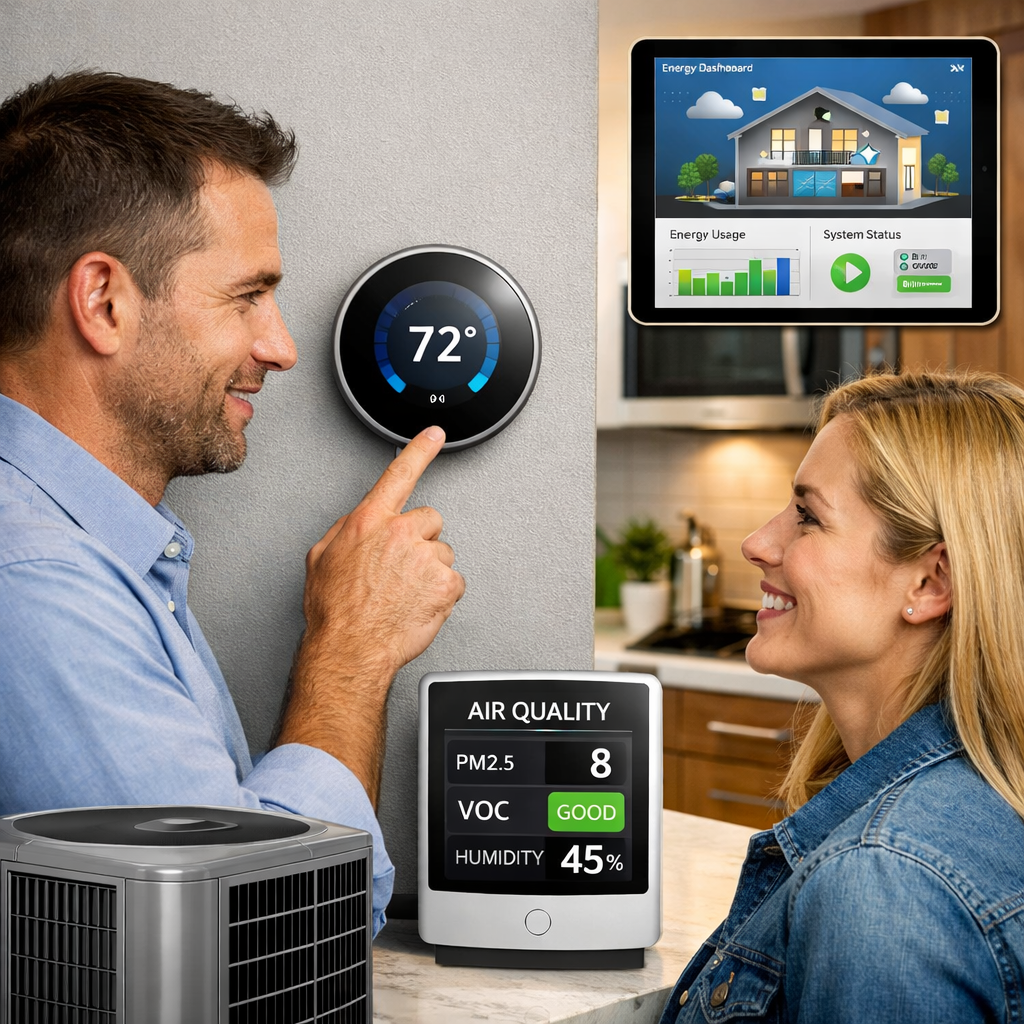
Walk into almost any newly listed home today, and you will notice something that was rare just a few years ago: a sleek thermostat panel, a quiet whir of a variable speed system, or an air quality dashboard glowing on a kitchen counter. Heating and cooling used to be the least glamorous part of a home sale. It sat in the background, only noticed when it broke down. That is no longer true.

In 2026, smart HVAC technology has become one of the clearest signals of a well maintained, forward thinking property. Buyers are not just asking whether a home is warm in winter and cool in summer. They are asking whether the systems inside the walls are efficient, connected, and built to last. Real estate data increasingly shows that homes with integrated smart climate control and modern air quality features sell faster and often command a noticeably higher price than comparable homes without them.

This shift is not a passing fad tied to gadgets and apps. It reflects real changes in energy costs, environmental awareness, and the way appraisers and lenders think about the "effective age" of a home's mechanical systems. In this article, we will break down the specific HVAC innovations that are reshaping property values right now, why buyers are willing to pay more for them, and what homeowners can do to capture that added value.

1. Smart Thermostats and AI-Driven Climate Control

The smart thermostat is the entry point into this entire trend, and it remains one of the highest return investments a homeowner can make. Instead of a simple dial or digital display, today's thermostats learn a household's schedule, track outdoor weather patterns, and adjust heating and cooling automatically to avoid wasted energy. Many models now build detailed comfort profiles for different rooms rather than treating the whole house as one temperature zone.

What makes this technology so appealing to buyers is the combination of convenience and measurable savings. A thermostat that can shift a home's climate before anyone even walks through the door, using phone location data or simple scheduling, feels like a small luxury. But it also translates into lower utility bills, which buyers increasingly scrutinize alongside the mortgage payment itself. Homes advertised with a modern thermostat system tend to draw more interest during showings, and appraisers are beginning to factor in these upgrades when comparing similar properties.

Geofencing, remote app control, and predictive heating and cooling are quickly becoming baseline expectations rather than premium extras. A house without any smart climate control now risks feeling outdated to a buyer who has grown used to controlling their environment from a phone.

2. Indoor Air Quality Systems and Whole Home Filtration

If the thermostat was the first wave of smart HVAC adoption, indoor air quality is the second, and it may end up being the more valuable one. Homeowners have become far more conscious of what they are breathing indoors, and that awareness has translated directly into purchasing decisions.

Modern systems now include built-in filtration that can capture fine particles, allergens, and volatile organic compounds, along with sensors that continuously monitor air conditions and adjust ventilation automatically. Instead of a homeowner manually changing a filter and hoping for the best, the system detects when air quality dips and responds in real time, whether that means increasing filtration after cooking or adjusting humidity to reduce the risk of mold growth.

This matters enormously for resale. A home that feels crisp, dry, and free of musty odors during a walkthrough creates an immediate emotional reaction in a potential buyer, and that reaction often translates into a stronger offer. Families with allergies, older buyers concerned about respiratory health, and simply anyone who has become more attentive to wellness at home are actively seeking these features. Properties that pair strong filtration with humidity management are increasingly marketed as healthier places to live, and buyers are responding with real dollars.

For homeowners in older properties without central filtration upgrades, professional maintenance still matters. Even the smartest system depends on clean ductwork to perform well, which is why services like air duct cleaning salt lake city have become part of routine home preparation before a sale, ensuring that new filtration technology is not working against years of accumulated dust and debris.

3. High Efficiency Heat Pumps and Variable Speed Systems

Energy efficiency has moved from a nice to have feature to a core expectation, driven by rising utility costs and tightening efficiency standards. Heat pumps, particularly cold climate models that can maintain full heating capacity even in freezing temperatures, are seeing a sharp rise in residential adoption. These systems use electricity far more efficiently than traditional furnaces and are increasingly competitive with gas heating even in colder regions.

Variable speed motors are another quiet but significant upgrade reshaping buyer expectations. Older HVAC equipment tends to operate in a blunt on or off pattern, blasting cold or hot air until the thermostat is satisfied. Variable speed systems ramp up and down gradually, which results in quieter operation, more consistent temperatures, and noticeably better humidity control throughout the year. Buyers touring a home during an open house may not know the technical name for this technology, but they absolutely notice the difference in comfort, and that impression carries weight when it comes time to make an offer.

Because these systems tend to have longer lifespans and lower operating costs, appraisers are more willing to adjust a home's value upward when a modern, high efficiency system replaces an aging unit nearing the end of its quarter century lifespan. Buyers are also increasingly aware of available tax credits and rebates tied to high efficiency equipment, which sweetens the deal further and makes the upgrade easier to justify financially for sellers.

4. Predictive Maintenance and Connected Diagnostics

The final major trend reshaping the residential HVAC landscape is the shift from reactive repairs to predictive maintenance. Newer systems are equipped with sensors that monitor performance patterns, vibration, and even subtle acoustic signatures that can indicate a component is beginning to fail. Instead of a homeowner discovering a broken system in the middle of a heat wave, the system itself can alert them, or their service provider, well before a full breakdown occurs.

For buyers, this represents peace of mind that is difficult to overstate. An outdated HVAC system without any diagnostic capability is a hidden risk, one that savvy buyers increasingly try to price into their offer through negotiation. A connected system with a documented maintenance history and predictive alerts removes much of that uncertainty. It signals that a home is genuinely ready, not just cosmetically updated.

This technology also extends equipment lifespan by catching small issues before they become expensive failures, which protects the long term value of the investment for both current owners and future buyers. As more manufacturers build this kind of intelligence directly into standard equipment, homes without it may start to look neglected by comparison, even if the underlying system still technically works.

Conclusion

Smart HVAC technology is no longer a novelty reserved for luxury properties. It has become a meaningful driver of everyday home value, influencing how quickly a house sells and how much buyers are willing to pay for it. Smart thermostats offer convenience and savings that buyers notice immediately. Indoor air quality systems appeal to a growing focus on health and wellness. High efficiency heat pumps and variable speed equipment deliver comfort and long term savings that appraisers are learning to recognize. Predictive maintenance removes the uncertainty that once made HVAC one of the most feared line items in a home inspection.

For homeowners thinking about selling in the near future, or simply looking to protect their investment over time, these upgrades are worth serious consideration. Even smaller steps, like scheduling regular duct maintenance or replacing an outdated thermostat, can make a noticeable difference in how a home is perceived by today's increasingly tech savvy buyers.


Blog by : Sara M

June 18, 2026

Managing Homeownership Stress with Simple Steps That Really Work


For busy working parents and long-time homeowners juggling jobs, kids, and a never-ending to-do list, homeownership stressors can feel like background noise that never shuts off. The core tension is simple: the house is supposed to be stable, but common homeowner challenges, financial burdens of homeownership, maintenance responsibilities, property management stress, and the emotional impact of owning a home keep tapping you on the shoulder every day. When the pressure gets labeled as “everything,” it’s hard to know what’s actually driving it. Calling out the top five triggers makes the stress feel more specific, more normal, and more manageable.

Try Low-Risk Ways to Unwind This Week

Once you’ve named your biggest stress triggers, it’s easier to pick a few quick calming tools to try right away.

• Gentle movement: a short walk or light stretching to release tension.

• Breathing practice: slow, steady breaths to help your body shift out of “fight or flight.”

• Magnesium supplements: Some homeowners find magnesium supplements helpful as part of their wellness routine. Consult your healthcare provider before starting any supplement.

• Essential oils: a soothing scent (diffused or dabbed on skin if it agrees with you) to create a calmer vibe.

Build a Simple Daily Routine That Lowers Stress

When your home is also your biggest responsibility, stress tends to show up in predictable places—your body, your sleep, your patience, and your focus. A simple routine keeps you steady so the little problems don’t feel like emergencies.

  1. Make a tiny “anchor routine” you can repeat daily: Choose 3–5 basics you can do even on a chaotic day: a 10-minute walk, a real breakfast, a 2-minute breathing break, and a set bedtime. A daily routine checklist helps because it removes decision fatigue—you’re not negotiating with yourself all day. Post it on the fridge and treat it like your home’s “operating system,” not another to-do list.
  2. Use movement as your fast, reliable stress release: Aim for 15–30 minutes of activity most days: a brisk walk after dinner, a short strength circuit while laundry runs, or stretching while the shower warms up. Exercise burns off the “revved up” feeling stress creates and makes your body feel more capable when the house demands attention.
  3. Build a “steady energy” plate at meals: Instead of a total diet overhaul, add one stabilizer per meal: protein (eggs, yogurt, beans), fiber (berries, veggies, oats), or healthy fats (nuts, olive oil). This helps smooth blood-sugar swings that can look like irritability, worry, or the dreaded mid-afternoon crash.
  4. Make mindfulness so easy you’ll actually do it: Set a timer for 3 minutes once a day and do one thing: breathe slowly and name five things you can see, hear, or feel. This is especially helpful right before you deal with a stressful home task, such as calling a contractor, opening a bill, or walking into a messy kitchen.
  5. Protect sleep like it’s home maintenance: Pick a consistent “screens off” time 30–60 minutes before bed, then run a short wind-down routine: dim lights, quick tidy of one surface, shower, and a paper list of tomorrow’s top three tasks. Good sleep makes everything feel more solvable, including noisy neighbors, surprise repairs, and family schedules.
  6. Set work-life boundaries that keep the house from becoming a second job: Choose one clear stop signal—close the laptop, change clothes, or step outside for two minutes—and do it at the same time most days. Create “office hours” for home tasks too: 20 minutes after dinner for mail, planning, or quick calls, then you’re done.

Let a Real Estate Agent Carry the Heavy Pieces

Once your days feel a little steadier, it’s easier to tackle the bigger stressors that come with buying or selling a home. That process can crank up anxiety fast because there are so many moving parts and so many unknowns. A professional real estate agent makes it more manageable by replacing guesswork with a plan: helping you evaluate and price your home realistically, coordinating showings so you’re not juggling schedules, and explaining what’s happening in the local market so surprises feel less personal.

Many homeowners find that having an experienced real estate professional helps them stay on track with the less-visible work too, including paperwork, disclosures, negotiations, and the steady stream of deadlines that can otherwise pile up. When offers come in, an agent can help evaluate terms, negotiate on your behalf, and keep the timeline moving so you’re not trying to interpret every clause or chase every signature on your own.

Homeownership Stress Questions, Answered

Q: What should I do when maintenance anxiety hits out of nowhere?

A: Start tiny: pick one “10-minute task” like replacing a filter or testing a smoke alarm. Write down what you see, not what you fear, then decide if it’s a DIY project or a call-for-help job. If you're feeling overwhelmed, break larger projects into smaller steps and focus on one manageable task at a time.

Q: How can I stop spiraling about money between paychecks?

A: Create a “home buffer” list with three tiers: must-pay this month, can-wait, and nice-to-have. Then set one automatic transfer—even $10—into a house fund so progress feels real. If you’re overwhelmed, call your lender or utility provider early and ask about payment options.

Q: When is it smart to bring in a professional instead of pushing through?

A: Bring in help when safety is involved, water is where it shouldn’t be, or the stress is stealing your sleep. A quick inspection or contractor estimate can turn vague dread into clear choices. You’re not failing—you’re protecting your time and energy.

Q: Can I still qualify for a mortgage if my credit is not perfect?

A: Often, yes. Many lenders look at multiple factors like income stability and debt-to-income ratio, not just one score. Ask what number you’re aiming for and what one change would help most.

Q: Why do I feel guilty for feeling stressed about a home I wanted?

A: Wanting stability and feeling pressure can exist at the same time. It helps to name the stressor out loud, then choose one supportive action: a text to a friend, a walk, or a 15-minute planning block. You can be grateful and still need support.

Choose One Calming Habit to Ease Homeownership Pressure

Homeownership can feel like a nonstop loop of repairs, bills, and the quiet worry that something else is about to break. The steadier path is a simple mindset shift: treat stress management as part of caring for your home, not a separate chore, and let small self-care choices support the bigger responsibilities.

Over time, the benefits of stress management show up as clearer decisions, fewer spirals, improved homeowner well-being, and more energy for the life happening inside the walls. Small, steady habits can help create a home that feels manageable again.

If homeownership stress is tied to a potential move, downsizing decision, or concerns about your home's value, Rivero Realtors is here to help. Whether you're preparing to sell, relocating, downsizing, or simply exploring your options in Central Maryland, we can provide a no-obligation consultation to discuss your goals and create a plan that works for your family.


Blog Provided by: Emmie Heath www.happyrefuge.com 

June 8, 2026

10 Small Home Improvements That Make a Big Difference

Not every home improvement project requires a contractor, permit, or a five-figure budget. In fact, some of the most noticeable updates are also among the most affordable.

Whether you're preparing to sell your home or simply want to enjoy it more, these small improvements can make a surprisingly big impact.

1. Replace Outdated Light Fixtures

Lighting can completely change the feel of a room. Swapping outdated brass or builder-grade fixtures for modern styles instantly updates a home's appearance.

Bonus: Brighter rooms almost always feel larger and more welcoming.

2. Refresh Your Front Door

Your front door is one of the first things visitors notice.

A fresh coat of paint, updated hardware, or a new welcome mat can dramatically improve curb appeal for very little money.

3. Upgrade Cabinet Hardware

Kitchen and bathroom renovations can be expensive, but changing cabinet knobs and pulls is one of the easiest ways to create a more modern look.

It's a small detail that buyers notice.

4. Add Fresh Mulch

Nothing says "well-maintained" like fresh mulch and neatly edged flower beds.

For a few hours of work, your home can look significantly more polished from the street.

5. Touch Up Paint

Scuffed walls, nail holes, and chipped trim can make a home feel neglected.

A little touch-up paint can make rooms feel cleaner, brighter, and newer.

6. Update Bathroom Accessories

New towel bars, mirrors, faucets, and light fixtures can refresh a bathroom without the cost of a full remodel.

These small upgrades often provide a big visual return.

7. Improve Storage Areas

Organized closets, garages, and pantries create the impression of more space.

Even inexpensive shelving systems can make a dramatic difference.

8. Deep Clean Windows

Clean windows allow more natural light into the home and help rooms feel brighter and more inviting.

It's one of the most overlooked improvements homeowners can make.

9. Replace Old Switch Plates and Outlet Covers

Yellowed or damaged switch plates make a home look older than it is.

Replacing them costs very little but gives rooms a cleaner, updated appearance.

10. Upgrade Your House Numbers

Modern, easy-to-read house numbers improve curb appeal and help visitors find your home more easily.

It's a simple update that adds character and style.

The Bottom Line

You don't need a major renovation budget to improve your home's appearance and value.

Many of the projects above can be completed in a weekend and cost less than a dinner out. When combined, they can make your home feel more modern, more inviting, and better maintained.

If you're considering selling in the next year or two, I'd be happy to walk through your home and help identify which improvements are worth making—and which ones you can skip.

Sometimes the smartest upgrades aren't the most expensive ones.

May 22, 2026

Memorial Day Isn’t Just a Long Weekend — Here’s What It Really Means

Every year, Memorial Day arrives with cookouts, road trips, store sales, and the unofficial start of summer. But behind the long weekend is one of America’s most meaningful national observances — a day dedicated to honoring the men and women who died while serving in the U.S. military.

Here are a few facts and reflections you can share this Memorial Day.

What Is Memorial Day?

Memorial Day is observed on the last Monday of May each year. The holiday honors military personnel who lost their lives in service to the United States.

Originally known as “Decoration Day,” the tradition began after the Civil War, when Americans decorated the graves of fallen soldiers with flowers.

A Few Memorial Day Facts You May Not Know

  • Memorial Day became an official federal holiday in 1971.
  • More than 1 million American service members have died in military conflicts throughout U.S. history.
  • At 3:00 PM local time on Memorial Day, Americans are encouraged to pause for the National Moment of Remembrance.
  • Red poppies became a symbol of remembrance after World War I, inspired by the famous poem In Flanders Fields.
  • Arlington National Cemetery places small American flags at every gravestone before the holiday weekend.

Memorial Day vs. Veterans Day

A lot of people confuse Memorial Day with Veterans Day, but they honor different groups:

  • Memorial Day honors those who died while serving.
  • Veterans Day honors all who served in the military.

Both matter deeply, but Memorial Day carries a special focus on sacrifice and remembrance.

Why It Still Matters Today

In a fast-moving world, Memorial Day gives us a rare opportunity to slow down and reflect. Freedom, security, and everyday normal life often come at a cost paid by people most of us never met.

Whether you spend the day with family, attend a local parade, visit a memorial, or simply pause for a moment of gratitude, remembering the meaning behind the holiday keeps its purpose alive.

A Simple Way to Honor Memorial Day

You don’t need a grand gesture. Sometimes honoring the day can be as simple as:

  • Visiting a veterans memorial or cemetery
  • Learning about a fallen service member from your hometown
  • Flying the American flag correctly
  • Taking part in the National Moment of Remembrance
  • Sharing stories of service and sacrifice with younger generations

As Memorial Day approaches, it’s worth remembering that the holiday is more than a break from work — it’s a reminder of courage, sacrifice, and the people who gave everything for others.


#MemorialDay #RememberAndHonor #USHistory #MilitaryRemembrance

April 13, 2026

Is Now Still a Good Time to Buy or Sell a Home in Central Maryland?

If you’ve been watching the real estate market lately, you’re probably wondering if now is the right time to make a move or if it makes more sense to wait. The truth is, there isn’t a one-size-fits-all answer, but there are some clear trends that can help guide your decision.

Mortgage rates have eased slightly compared to where they were at their peak. While they’re not back to the historically low levels we saw a few years ago, even small shifts can make a noticeable difference in a buyer’s monthly payment. What I’m seeing is that buyers are starting to adjust. They’re coming back into the market, but they’re being more thoughtful and strategic. That creates a different kind of opportunity than we saw during the height of the frenzy.

Inventory is still relatively low across Central Maryland, especially in areas like Howard County. Even though more homes have come on the market, demand is still strong for well-priced, well-presented homes. Sellers are still in a good position, but pricing and preparation matter more than ever. The days of simply putting a home on the market and expecting multiple offers regardless of condition are behind us. Today, the homes that stand out are the ones that are priced right and show well from day one.

For buyers, this shift in the market can actually be a positive. There may be fewer homes to choose from, but there is also less competition than we’ve seen in recent years. That can mean fewer bidding wars, more room to negotiate, and the ability to make decisions without feeling rushed.

One of the biggest mistakes I’m seeing right now is people trying to time the market perfectly. Some sellers are waiting, hoping prices will rise further or rates will drop more. But the reality is, no one can predict the exact right moment. Waiting can sometimes mean facing more competition later or missing an opportunity that exists right now. The best approach is to focus on your personal goals and make a move when it makes sense for your situation.

Whether you’re thinking about upsizing, downsizing, moving to a 55+ community, or relocating out of the area, this market still offers real opportunities. The key is having the right strategy and guidance to navigate it.

If you’ve been thinking about making a move, I’m always happy to talk through your options and help you decide what makes the most sense for you.


Debbi cares… and it shows!
#DebbiRiveroMDRealtor #RiveroRealtors #debbicaresanditshows

March 13, 2026

How Downsizing Opens Doors to Financial Freedom and a Fresh Lifestyle Start

For empty nesters, mid-career professionals, and recently divorced adults, keeping a home that no longer fits can feel like paying for a life that already changed. The core tension is real: letting go of space and routines can bring grief and uncertainty, even when the numbers and daily stress say it’s time. Seen clearly, the downsizing benefits reach beyond lower costs, financial freedom through downsizing creates room for choices, while simplified living for adults cuts the mental load that comes with maintaining too much. With the right mindset, downsizing becomes one of the strongest lifestyle change catalysts and opens fresh start opportunities.

Understanding What Downsizing Really Means

Downsizing is the intentional choice to live with less space and fewer ongoing costs, so your home fits your current life. It is less about sacrifice and more about a conscious choice to live better by cutting what drains your time and money.

Why it matters is simple: smaller housing often brings reducing financial burdens like utilities, maintenance, and “surprise” repairs. With fewer rooms and less stuff to manage, daily stress drops, and a minimalist rhythm becomes easier to keep.

Picture a three-bedroom house that now holds one person, plus closets of rarely used items. Moving to a smaller place turns weekends from upkeep into open time, and your budget from tight to flexible.

Plan and Execute a Smooth Downsizing Move

This process helps you go from “we should downsize” to a clear moving plan, fewer belongings, and a budget that fits a smaller space. For most people, the payoff is practical: less financial pressure and fewer daily tasks competing for your time.

  1. Set your downsizing target and timeline
    Start with the why and the numbers: the monthly payment you want, the amount of space you actually use, and a realistic move date. Write down three priorities (for example: lower costs, easier upkeep, closer to family) so every decision has a filter.
  2. Declutter in zones using firm keep rules
    Choose one zone at a time (linen closet, kitchen, garage) and use simple rules: keep only what you use, love, or truly need for the next season of life. Create four labeled categories as you go: Keep, Sell, Donate, Recycle/Trash, so items do not drift back into storage.
  3. Sell and donate with a one-week action loop
    Give sellable items a short deadline: list them, price them to move, and schedule pickup or shipping; anything not sold by the deadline becomes a donation. This prevents “selling someday” from slowing your progress and turns excess stuff into either cash or cleared space quickly.
  4. Build a smaller-home budget before you shop
    Estimate your new monthly baseline (housing, utilities, insurance, parking, HOA fees, commuting) and compare it to your current total. Put the difference into a dedicated “freedom fund” line item, even before you move, so the benefit becomes visible and motivating.
  5. Choose a right-sized home that supports your next chapter
    Match your priorities to housing options, then tour places with a checklist for storage, accessibility, and maintenance demands. Use ideal housing options as a starting point, then pick the smallest space that still makes daily life feel easy.

Habits That Keep Your Downsized Life Simple

Downsizing works best when your new lifestyle runs on autopilot, not constant willpower. These habits make it easier to spend less, waste less, and keep your home light so your fresh start stays enjoyable.

One-Bag Out Rule

     What it is: Keep a donation bag by the door and fill it.

     How often: Weekly.

     Why it helps: It prevents clutter from rebuilding in your new space.

Room-by-Room Reset

     What it is: Do a 10-minute reset and sort belongings by area.

     How often: Twice weekly.

     Why it helps: Small resets beat overwhelming cleanup days.

The Freedom Fund Transfer

     What it is: Auto-move a set amount to savings after each payday.

     How often: Every paycheck.

     Why it helps: You lock in downsizing savings before you can spend them.

Buy-One, Replace-One

     What it is: For any new item, remove one similar item.

     How often: Every purchase.

     Why it helps: Your storage stays stable even as tastes change.

Utility Minute Check

     What it is: Review one bill and lower one setting.

     How often: Monthly.

     Why it helps: Tiny tweaks compound into lower baseline costs.

Downsizing Q&A: Money, Mindset, and Fresh Starts

Q: How can downsizing help me achieve greater financial flexibility and reduce expenses?
A: With fewer square feet, you often cut housing-related costs like utilities, taxes, and upkeep. Many people find monthly expenses drop 30-40% after moving into a smaller, simpler home. Start by totaling your current “fixed costs,” then choose a target monthly number your new place must stay under.

Q: What are some effective ways to simplify living spaces when starting fresh after downsizing?
A: Set up your home around daily routines, not storage capacity. The morning reader approach helps: pick a few comfort essentials and give them permanent “homes” so you do not keep reorganizing. Then keep one small “decide later” bin with a firm deadline to prevent decision fatigue.

Q: In what ways can downsizing open up new lifestyle choices and opportunities for personal growth?
A: Less time maintaining a home can free up energy for learning, travel, volunteering, or strengthening relationships. Downsizing also encourages more intentional spending, so your money matches your values instead of your clutter. Try writing a short “fresh-start list” of three experiences you want to prioritize this year.

Q: How can I manage feelings of stress or uncertainty that come with significant life changes like downsizing?
A: Break the process into small, timed sessions and celebrate completion, not perfection. Create a simple decision rule like keep what you use weekly, store what you use seasonally, and release the rest. If emotions spike, pause and choose one grounding action like a short walk, a call to a friend, or labeling one box so you still move forward.

Q: What steps should I take if I want to start a small side business after downsizing to create additional income streams?
A: Begin with your fresh-start goals: how many hours per week, how much income, and what level of stress you can tolerate. Next, validate a simple offer by talking to 5 to 10 potential customers and pricing one small starter package. When you are ready to formalize, use a formation compliance tool to choose the right structure, separate finances, and handle required filings correctly.

Start Downsizing This Week to Unlock Financial and Lifestyle Freedom

When life feels cramped by stuff, fixed bills, and constant upkeep, it’s hard to make room for what matters next. The downsizing approach is simple: align space and spending with priorities, lean into the benefits of simplified living, and let the downsizing summary guide decisions without chasing perfection. The payoff is a lighter schedule, clearer choices, and a long-term financial impact that compounds month after month. Downsizing isn’t about less; it’s about making your money and time work harder. Pick one motivating lifestyle change to start this week, track the savings it creates over the next year, and if a new business in Maryland is on the horizon, consult a comparison guide at zenbusiness.com to weigh formation-service options. That’s how an encouraging fresh start becomes real stability and resilience for the next chapter.


Guest Blog By: Eugene Williams http://diydad.info/

March 10, 2026

Driving with a Migraine A Safety Guide for Seniors

Driving with a Migraine: A Safety Guide for Seniors


Migraines and Older Drivers: Reducing Crash Risks


Migraine headaches are a common issue for many, but they can be particularly challenging for seniors. As people age, the frequency and intensity of migraines may change, and the impact they have on daily activities, such as driving, can be significant. For seniors who experience migraines, ensuring road safety becomes a vital concern.


What is a Migraine and How Does it Affect Seniors?


A migraine is more than just a severe headache. It’s a neurological condition that can cause intense pain, nausea, dizziness, and sensitivity to light and sound. These symptoms can last from several hours to days, and during this time, it may be dangerous to engage in activities that require focus and attention — like driving.


For seniors, migraines can also be compounded by other health issues, such as vision impairment, memory problems, and chronic conditions that may alter the frequency or severity of the migraine. This makes managing migraines even more important when considering their impact on road safety.


How Migraine Affects Seniors
While migraines often peak in middle age (25–55) and typically decrease in frequency and severity after age 50 or 60, they can still significantly impact seniors.


  • Atypical Symptoms: Seniors are more likely to experience bilateral head pain (on both sides) rather than the classic one-sided pain.
  • Aura Without Headache: Known as "silent migraines" or "late-life migraine accompaniments," seniors frequently experience visual or sensory disturbances (like flashing lights or tingling) without the actual headache phase.
  • Diagnostic Mimicry: Symptoms of late-life migraines—such as sudden vision changes, slurred speech, or numbness—can mimic strokes or transient ischemic attacks (TIAs), requiring immediate medical evaluation to rule out life-threatening conditions.
  • New Onset Risks: Developing a migraine for the first time after age 50 is a "red flag" that may indicate underlying issues like temporal (giant cell) arteritis, brain tumors, or head trauma.
  • Comorbidities and Interactions: Treatment is more complex due to existing health conditions (e.g., heart disease, high blood pressure) and potential drug interactions with other prescribed medications.

The Risks of Driving During a Migraine


Driving while experiencing a migraine is risky, especially for seniors. The following factors make driving unsafe during a migraine episode:


Impaired vision: Migraine sufferers often experience visual disturbances known as auras, including blurry vision, flashing lights, or blind spots, which can make driving extremely hazardous.


Decreased concentration: The pain, dizziness, and nausea that come with a migraine can make it difficult to concentrate, slowing reaction times and increasing the risk of accidents.


Nausea and dizziness: Symptoms like nausea, dizziness, or vomiting are common with migraines and can lead to disorientation, making it dangerous to operate a vehicle.


Tips for Seniors Dealing with Migraines


Avoid Driving During a Migraine: If you’re experiencing any symptoms of a migraine, it’s best to refrain from driving. Migraines can be unpredictable, and even mild discomfort can impair your ability to drive safely.


Plan Ahead: If you know you're prone to migraines, consider using alternative transportation options, like rideshare services or public transit, when you expect a migraine to strike. Having a plan in place can help prevent the need to drive when you're not feeling your best.


Keep Medication Accessible: Seniors should have quick access to their prescribed migraine medications, such as triptans or over-the-counter pain relief, as well as any other treatments that help alleviate symptoms. Taking medication as soon as possible may help shorten the duration of a migraine, but it’s still important to avoid driving while experiencing active symptoms.


Consult Your Doctor: Regularly consult your healthcare provider about your migraines. If you notice that your migraines are increasing in frequency or severity, or if you're having trouble managing them, it may be time to reassess your treatment plan.


Take Regular Breaks: For seniors who experience occasional migraines but still need to drive, it’s important to take regular breaks on long trips. Resting, hydrating, and stretching can help prevent the onset of a migraine or relieve early symptoms.


When Should Seniors Consider Stopping Driving?


In some cases, the best decision for safety is to stop driving altogether. If migraines become more frequent or severe, it may be time to consult with a healthcare provider about driving limitations. Your doctor can help assess whether it’s safe to continue driving, based on the nature of your migraines and other factors.


Conclusion


Driving with a migraine is never advisable, especially for seniors who may already face other challenges related to aging. Migraines can cause visual disturbances, dizziness, and severe pain, all of which impair driving ability. By planning ahead, using medications wisely, and seeking professional medical advice, seniors can better manage their migraines and maintain road safety.


Blog Post by: Stephanie Butler  mdaccidentlaw.com/


March 4, 2026

Dos And Don’ts Of Upgrading Home Or Relocating

Renovate or relocate? Key factors to consider before making the move - Home  Owners, Advice

ULTIMATE CHOICE
Revive Your Home or Discover a New Horizon

Is your current home a canvas for a masterpiece, or is it time to turn the page to a brand-new chapter? 

At Rivero Realtors, we don't just deal in property, we deal in your future.

The Art of the Upgrade

Transforming Your Space

Unlock the hidden potential of the home you already love.

15 Dos and 5 Don'ts of Moving into Your First Apartment

UPGRADING v/s RELOCATING: How to Make the Right Move for Your Future

Deciding whether to renovate your current home or move to a new one, is a major life decision. Both options offer a fresh start, but they come with different challenges and costs. At Rivero Realtors, we help homeowners navigate these choices every day.

To help you decide, here are the essential Dos and Don’ts of upgrading your home versus relocating.

 ••• DO's •••

Target High-Impact ROI

Focus on "Hero" renovations. A gourmet kitchen or a spa-inspired bathroom doesn't just change a room—it skyrockets your property’s prestige.

Engineer a Safety Net

Every grand project has its mysteries. Secure a *_15%_* contingency fund to conquer any hidden structural challenges with confidence.

The Thrill of Relocation

Mastering the Move

When the world is calling and it's time to claim your new territory.

Scout the Surroundings

You aren't just buying a house; you’re acquiring a lifestyle. Analyse the vibe, the pulse of the streets, and the proximity. 

Master the Math

Account for every elite commissions to the logistics of a seamless transition. Knowledge is power.

Focus on ROI

Prioritize upgrades that add the most value, such as kitchen remodelling, bathroom modernizations, or adding energy-efficient features.

Set a Strict Budget

Renovation costs can spiral quickly. Always include a 10-15% "buffer" for unexpected repairs like old wiring or plumbing issues.

Research Permits

Ensure all structural changes comply with local building regulations to avoid legal issues when you eventually decide to sell.

••• DONOT's •••

Over-Improve

Avoid making your house the most expensive one on the block. You may not get your investment back if the house's value far exceeds the neighbourhood average.

DON’T Ignore the Layout

If the primary issue is a lack of space or a bad floor plan, cosmetic upgrades won't solve the problem. In such cases, moving might be better.

Option 2: Relocating to a New Home

Sometimes, a fresh start in a new location is the only way to meet your lifestyle needs.

Audit Your Lifestyle

Consider your commute, proximity to quality schools, and local amenities. A new house is more than just four walls; it’s a new community.

Calculate "Hidden" Costs

Remember to factor in real estate agent commissions, taxes, moving services, and potential repairs for the new property.

Visit at Different Times

 Before buying, visit the new neighbourhood at different times of the day to check for noise levels, traffic, and security.

DON’T Rush the Sale

Selling your current home in a hurry might lead to a lower price. Give yourself enough time to market the property effectively.

DON’T Skip the Home Inspection

Never buy a new property without a professional inspection. Hidden structural issues can turn a dream home into a financial burden.

Final Verdict: Which is Right for You?

Outpace the Neighbourhood

Your home should be a jewel, not an outlier. Avoid over-investing beyond the local market’s ceiling. 

Surrender to a Blind Buy

Never skip the inspection. A cinematic exterior can hide a structural drama you don't want to star in.

Compromise the Exit

A rushed sale is a missed opportunity. Patience is the key to securing the premium price your current home deserves.

IMPORTANT TIPS

1- UPGRADE if

Your heart is anchored in your community and you have the vision to reinvent your current surroundings.

2- RELOCATE if

Your dreams have outgrown your zip code and you are ready for a fresh, spectacular start.

Your Next Bold Move Starts Here

Whether you’re reinventing your space! or hunting for a new masterpiece, Rivero Realtors is your ultimate partner in excellence.

Debbi Rivero
www.riverorealtors.com

Renovate or Relocate: A Comprehensive Guide to Making the Right Decision

FAQs

What is the 5/20/30/40 rule?
The home price should be about 5 times your annual income. 20: You should aim to pay off the mortgage within 20 years. 30: You should make a down payment of about 30% 40: Your monthly mortgage payment (EMI) should not exceed 40% of your net monthly income.


What are the most common renovation mistakes?

5 Home Renovation Mistakes to Avoid

  1. Mistake #1: Not Planning Ahead. 
  2. Mistake #2: Choosing Non-Durable Materials.
  3. Mistake #3: Being Too Trendy.
  4. Mistake #4: Trying to DIY Everything.
  5. Mistake #5: Sacrificing Function for Form.

What to do before transferring to a new house?


Things you won't want to forget are transferring utilities, updating your address, organising packing far in advance for less frequently used items and setting money aside for additional costs such as the hire of a moving van/professional movers if necessary.

What is the 3 6 9 rule of money?

3 months - might be enough for someone who rents, has a steady income and no kids. 6 months: is usually enough for working couples with kids and a mortgage. 9 months: is best for families with one sole earner or irregular incomes, as well as a mortgage.

What is the 20 40 80 rule?

20/40/80 Rule—We remember 20 percent of what we hear, 40 percent of what we hear and see, 80 percent of what we hear, see and do. Learners remember more when visual aids support verbal instruction. Adults remember best when they practice the new skill.

What to avoid when renovating a bathroom?

Domain chatted with the experts and compiled a list of things to avoid to ensure your bathroom renovation runs smoothly and delivers a result that endures.

  1. Locking in a poor layout.
  2. Adding features that are tricky to clean.
  3. Harsh or insufficient lighting.
  4. Excessive visual clutter.
  5. Choosing materials that wear over time.
Feb. 23, 2026

why some homes linger on the market?

Why Do Some Homes Linger on the Market?

10 Ways to Get Expired Real Estate Listings | Mashvisor

It’s Not Just the House — It’s the Strategy Behind It.

Every seller asks the same question:

“Why hasn’t my home sold yet?”

  • If your property has been sitting on the market with limited showings and no serious offers, the problem is rarely the home itself.
  • It’s almost always the strategy.
  • In today’s competitive real estate market, buyers are informed, selective, and fast-moving. If your home isn’t attracting attention within the first 7–14 days, something is off — and the market responds quickly.
  • Let’s break down the real reasons some homes linger… and how smart strategy changes everything.

Pricing Emotionally Instead of Strategically

The market does not reward overpricing.

Many homeowners price based on:

  • What they “need” to make
  • What they invested in renovations
  • What their neighbour listed for
  • What they feel the home is worth

But buyers don’t buy based on emotion. They buy based on value.

When a home is overpriced:

  • It sits.
  • It loses momentum.
  • It becomes “stale.”
  • Buyers assume something is wrong.
  • Price reductions weaken negotiation power.

Here’s the truth most agents won’t say:

Overpricing often leads to a lower final sale price.

A smart pricing strategy creates urgency.
Urgency creates competition.
Competition creates stronger offers.

The first two weeks on the market are critical. That’s when your listing gets maximum exposure. If the price is wrong during that window, you’ve already lost leverage.

Weak First Impressions (Curb Appeal Matters More Than You Think)

3 Easy Ways to Boost Your Summer Curb Appeal to Help Sell Your Home -  Critics Choice Real Estate

Buyers decide how they feel about a home within seconds.

Before they notice your granite countertops or upgraded flooring, they notice:

  • The landscaping
  • The driveway
  • The paint
  • The roofline
  • The entryway

Curb appeal sets the emotional tone.

If the exterior feels neglected, buyers subconsciously discount the value of the entire property — even if the inside is beautiful.

The good news?

Curb appeal improvements don’t always require major investments.

Strategic upgrades like:

  • Fresh landscaping
  • Pressure washing
  • Neutral exterior touch-ups
  • Modernized lighting
  • A refreshed front door

Can dramatically increase perceived value and showing requests? Presentation creates perception.

Perception drives price.

Outdated or Low-Quality Listing Photos

Today’s buyers shop online first.

If your photos don’t stand out, your home doesn’t get clicked.

And if it doesn’t get clicked, it doesn’t get shown.

  • Dark photos.
  • Cluttered rooms.
  • Poor angles.
  • Cell phone pictures.

These mistakes silently cost sellers thousands.

Professional photography is not a luxury — it’s a requirement in today’s market.

High-impact listings use:

  • Professional photography
  • Strategic staging
  • Wide-angle lens clarity
  • Twilight photography
  • Drone imagery (when applicable)

"The goal is not just to “show the house.” The goal is to create desire.

If your listing doesn’t make buyers pause while scrolling, it’s invisible.

Lack of a Real Marketing Plan

Putting a home in the MLS is not a marketing strategy.

It’s just step one.

Homes that sell quickly have a coordinated launch plan that includes:

  • Pre-market preparation
  • Professional staging consultation
  • Digital advertising
  • Social media campaigns
  • Agent-to-agent networking
  • Open house exposure
  • Targeted buyer outreach

The difference between a home that sits and a home that sells fast is rarely luck.

It’s execution.

Ignoring Market Conditions

Market Trends You Shouldn't Ignore - Anne Kenndey

Markets shift.

  • Interest rates change.
  • Inventory rises or falls.
  • Buyer demand fluctuates.

A strategy that worked six months ago may not work today.

An experienced real estate team monitors:

  • Local absorption rates
  • Buyer activity trends
  • Price-to-list ratios
  • Days on market patterns
  • Neighbourhood competition

Without this data, sellers are guessing.

With it, they’re positioned strategically.

The Bottom Line

If your home is lingering on the market, it’s not necessarily because:

  • The house is bad
  • The neighbourhood is wrong
  • Or buyers aren’t looking

It’s often because the pricing, presentation, or promotion strategy isn’t aligned with today’s market.

Selling a home is not passive.

It requires:

  • Strategy.
  • Precision.
  • Market intelligence.
  • Strong negotiation.

Ready to Sell Smarter?

Smart Homes

  • At Rivero Realtors, we don’t just list homes.
  • We analyse the market.
  • We position your property competitively.
  • We elevate presentation. And we create momentum from day one.
  • Because homes don’t sell by accident.
  • They sell by design.