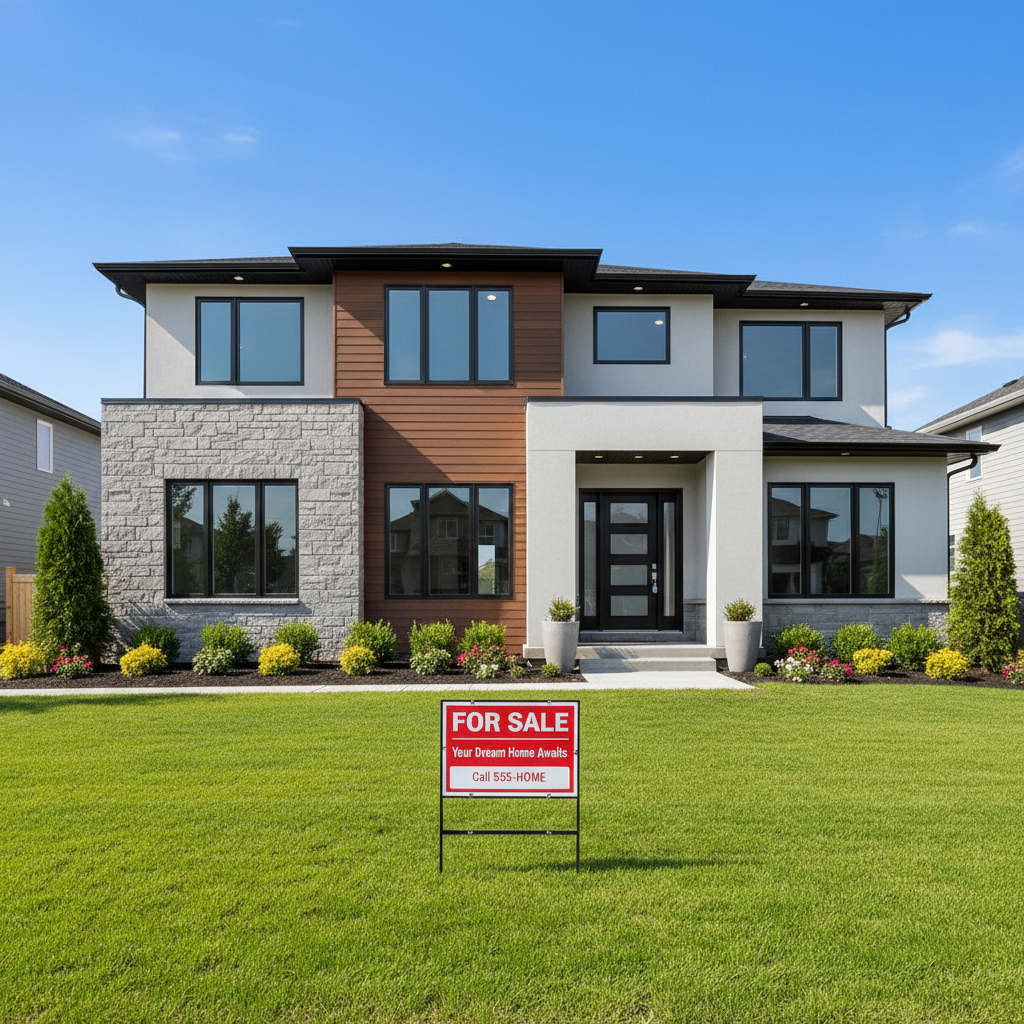
For home sellers after moving out for a new job, family needs, or a planned relocation, selling real estate remotely can feel like running a high-stakes project without being on-site. The core tension is simple: a vacant property sale removes the daily eyes and hands that catch small problems before they become deal breakers. Remote home selling challenges stack up fast, missed maintenance, unclear responsibility with helpers, and coordination gaps between showings, repairs, and paperwork. A clear off-site home sale process turns that distance into something manageable.
Quick Summary: Selling After You’ve Moved Out
● Plan a remote sale process that keeps the transaction moving without in-person visits.
● Control ongoing costs by tracking and managing expenses while the home sits vacant.
● Market a vacant home strategically so it still feels inviting and shows well.
● Reduce buyer concerns by addressing the risks and uncertainties that come with an empty property.
Sell a Vacant Home Smoothly From a Distance
Here’s one way to walk through this.
This process helps you prepare an unoccupied home, run showings smoothly, and keep negotiations steady even when you are no longer local. It matters because vacant homes can invite extra buyer questions and a few real risks you will want to address upfront.
Step 1: Lock down access and paperwork early
Start by confirming who has keys, garage codes, and alarm access, then change codes and collect all manuals, permits, and recent repair receipts in one shared folder. Add a simple “property contact sheet” with your agent, a handyman, and a neighbor so urgent issues do not stall the sale. Pay extra attention to title safety, since title fraud cases disproportionately involve non-owner-occupied properties.
Step 2: Prep the home for easy showings, not just photos
Choose a clean, neutral setup that holds up for weeks: deep clean, touch up paint, replace burnt bulbs, and fix obvious “small” items like loose handles and running toilets. If the home is empty, consider minimal staging in the main rooms so buyers can picture scale and flow. Your goal is to remove reasons for a buyer to ask for credits later.
Step 3: Set up a simple monitoring routine with your agent
Confirm a cadence for quick walk-throughs, plus who handles lawn care, snow, mail, and trash, so the property always looks lived-in and maintained. Ask your agent to send a short update after each visit with a couple of photos and a note about temperature, leaks, or odors. This prevents small problems from turning into expensive surprises.
Step 4: Market the vacancy honestly while minimizing objections
Work with your agent to write a listing that answers the common worries: how showings are scheduled, whether utilities stay on, and what has been recently serviced. Offer easy-to-review proof, like a one-page “home highlights” sheet and a clear list of improvements with dates. When buyers feel informed, they tend to negotiate less aggressively.
Step 5: Add risk reducers to steady your budget during the listing
Decide in advance how you will handle repairs: set a small repair reserve, pre-authorize your agent to approve fixes under a set dollar amount, and line up a contractor for quick turnaround. You can also compare optional listing-period coverage options, including a home warranty for realtors, that may help with certain breakdowns, so a sudden issue does not force a price cut. The point is not perfection, it is predictability.
A few upfront systems make selling from afar feel manageable and controlled.
Remote Sale Readiness Checklist
To keep things simple: This checklist turns the remote sale into a few clear boxes to tick, so small oversights do not become delays or discounts. Use it weekly to stay calm, responsive, and in control from anywhere.
✔ Confirm access control and distribute updated entry instructions
✔ Compile repair records, permits, and appliance manuals into one folder
✔ Prepare the home for showings with lights, temperature, and clean surfaces
✔ Set a property care schedule for lawn, snow, mail, and trash
✔ Arrange regular check-ins with photos and quick condition notes
✔ Pre-authorize minor repairs and stock a small repair reserve
✔ Review listing notes to address vacancy questions before buyers ask
Check these off, and you will sell with fewer surprises.
.png)
Remote Home-Selling Questions, Answered
Quick answers to the sticking points that slow remote sales.
Q: What extra costs should I plan for when I’m selling from far away?
A: Budget for more than just commissions, because vacant homes often need ongoing care and quick fixes. Many sellers underestimate totals, and the actual cost more than $67,000 can create last-minute pressure. Ask your agent for a written estimate that includes utilities, lawn care, and a repair reserve.
Q: How do I keep a vacant home “show-ready” without being there?
A: Use a local point person plus smart devices like a thermostat, light timers, and a door lock with trackable codes. Schedule recurring cleaning and yard service, and request date-stamped photos after every visit. If weather is a factor, add a contingency plan for snow, storms, or heat.
Q: Why do buyers hesitate when they hear the home is empty, and what can I say?
A: Buyers worry about hidden issues, neglect, or frozen pipes, which is a classic sales objection based on trust and risk. Reduce doubt by sharing maintenance logs, recent invoices, and clear showing instructions. Offer a pre-listing inspection or a home warranty if it fits your budget.
Q: Can I really close remotely if I’m in another state?
A: Yes, as long as your title company and lender support it and your state allows the method you choose. Confirm ID requirements early and ask how you will sign, notarize, and send any originals. Keep one backup option ready, like a mobile notary.
Q: What should I do if appraisal or inspection issues pop up while I’m away?
A: Respond fast with two quotes, a repair timeline, and a clear decision: fix, credit, or decline. Pre-authorize your agent to approve small repairs so minor problems do not stall negotiations. When in doubt, prioritize safety and major systems over cosmetic items.
A remote sale can still feel smooth when you plan, document, and respond quickly.
Choose Your Next Step for a Smooth Remote Home Closing
Selling a home from afar can feel like trying to manage details you can’t see, while a vacant property keeps costing money and raising buyer questions. The steadier path is the mindset this guide focused on: clear communication, tight coordination, and efficient property sale strategies that turn distance into a manageable process. Follow the post-move selling best practices and a successful remote home sale becomes less about scrambling and more about predictable check-ins, fewer surprises, and a more cost-effective vacant home sale. Distance doesn’t derail a sale when the process stays simple and documented. Pick one next step today: confirm the next two deadlines with your agent and title team in writing. That consistency is what supports a confident real estate closing and protects long-term financial stability.
Blog provided by: Eugene Williams