Homeowners insurance is a vital safeguard for protecting your home and personal property against unexpected losses. Understanding its key components can help you make informed decisions when selecting a policy.
What Is Homeowners Insurance?
Homeowners insurance provides coverage for unforeseen damages to your home or property. It typically includes provisions to repair or rebuild the property, replace personal belongings, cover accidents occurring on the premises, and may even pay for living expenses if a covered incident forces you to live elsewhere temporarily.
Is Homeowners Insurance Required?
While not mandated by law, homeowners insurance is often required by mortgage lenders as a condition for obtaining a loan. Even if you own your home outright, maintaining insurance is advisable to protect your significant investment against potential risks.
Types of Coverage
Homeowners insurance policies generally offer three types of coverage:
-
Actual Cash Value (ACV): Reimburses the cost to repair or replace your home and belongings, minus depreciation.
-
Replacement Cost Value (RCV): Covers the actual cost to repair or replace your home and belongings without deducting for depreciation.
-
Guaranteed or Extended Replacement Cost: Provides additional coverage beyond the policy limit to rebuild your home, accommodating for increased construction costs.
Premiums and Factors Influencing Costs
The premium for homeowners insurance—the amount you pay to keep the policy active—is influenced by several factors, including:
-
Location: Homes in areas prone to natural disasters may have higher premiums.
-
Home Characteristics: Age, construction type, and square footage can impact costs.
-
Credit History: In some states, insurers consider credit history when determining premiums.
-
Safety Features: Installing security systems, fire alarms, and other safety measures can reduce premiums.
Coverage Exclusions
Standard homeowners insurance policies may exclude certain perils, such as floods or earthquakes. It's essential to review your policy and consider purchasing additional coverage or endorsements to protect against these risks.
Tips for Choosing a Policy
-
Assess Your Needs: Evaluate the value of your home and belongings to determine appropriate coverage levels.
-
Compare Policies: Obtain quotes from multiple insurers to find a policy that offers the best value and coverage.
-
Review Deductibles: Understand the deductible amounts—the out-of-pocket costs you'll pay before insurance kicks in—and choose what aligns with your financial situation.
-
Consult a REALTOR®: Real estate professionals can provide guidance and resources to help you navigate the complexities of homeowners insurance.
For more detailed information, refer to the National Association of REALTORS®' Consumer Guide on Homeowners Insurance.
By understanding the fundamentals of homeowners insurance, you can select a policy that provides peace of mind and financial protection for your home and family.





 For the first time since July 2021, year-over-year existing-home sales climbed in October, which is a sign of optimism for the housing market. According to the National Association of Realtors (NAR), sales increased 3.4% month over month and 2.9% year over year. What's more, every sales region saw sales climb from September and three regions posted year-over-year growth. According to Lawrence Yun, chief economist for the NAR, "The worst of the downturn in home sales could be over, with increasing inventory leading to more transactions." Housing demand is also increasing due to continuing job gains...




 Monthly existing-home sales declined by 1% in September, with year-over-year sales down 3.5%, according to the National Association of Realtors (NAR). "Home sales have been essentially stuck at a four-million-unit pace for the past 12 months," said Lawrence Yun, chief economist for the NAR. "But factors usually tied to higher home sales are emerging." Rising inventory, declining mortgage rates, and steady job growth are signs that could drive home sales upward.






 The closet presents a unique challenge for organization—it's one of the smallest spaces in the home, yet it has the most to store. With the holiday season approaching, your fall and winter wardrobe essentials will need to fit seamlessly. If you're looking to keep a year's supply of clothes organized, it's time to maximize your closet's storage capabilities.




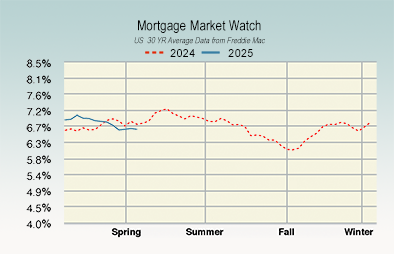
 The housing market may be starting to favor homebuyers, according to the National Association of Realtors (NAR). Existing-home sales increased in July, bringing about an end to a four-month decline. With inventory levels on the rise and mortgage rates dropping, homebuyers will not only have more options to choose from in the current market, but they'll see an improvement in affordability as well.