|
Your Maryland Real Estate Experts Since 1992
Our Blog: Central Maryland Real Estate News, Tips & Local Insights
Whether you’re buying your first home, preparing to sell, or simply staying informed, you’ve come to the right place. Our blog is your trusted resource for Central Maryland real estate market updates, home values, buying and selling tips, homeowner advice, and local community news.
At Rivero Realtors, we believe real estate is about more than just houses—it’s about helping people find the right place to call home. That’s why we share timely information, practical advice, and local insights to help you make confident decisions every step of the way.
If you ever have a question about the market, a neighborhood, or your next move, we’re just a phone call away. We’d love the opportunity to help.
We Care... And It Shows!
Rich & Debbi Rivero
Rivero Realtors | RE/MAX Advantage Realty
Sept. 3, 2024
September 2024 Newsletter



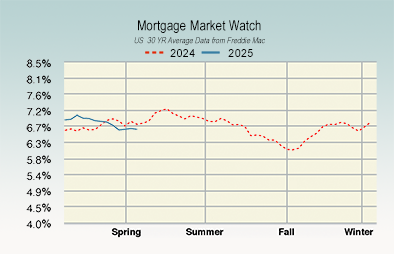


 After years of Americans struggling to make purchases in a seller's market, there are signs that the current housing market is swinging back toward favoring buyers. As recent market trends continue, buyers will find themselves with more homes to choose from and greater negotiating power.

Posted in
buying real estate,
Eco-Friendly,
Enjoying Your House,
forecasting real estate,
Helpful House Tips,
Howard County Homes,
Market Updates,
Mortgage rates,
Real Estate Deals,
Real Estate for Sale,
selling real estate,
Sellingyourhome
no comments yet
Aug. 30, 2024
Efficient Strategies to Harmonize Your Multi-Generational Household
Efficient Strategies to Harmonize Your Multi-Generational Household
Photo by Freepik

Managing a multi-generational household involves creating a living space that meets the diverse needs of all family members. With careful planning and thoughtful organization, it is possible to foster a home environment where everyone feels comfortable and connected. This article offers actionable advice to help you achieve a balanced and harmonious living space.
Nurture Open and Respectful Communication
Effective communication is vital in a multigenerational home, creating a space where everyone, young and old, feels heard and respected. Set up regular family meetings or informal check-ins to allow each member to share their views and concerns. Encourage discussions on daily routines and personal boundaries to ensure every opinion is considered. This practice not only prevents conflicts but also enhances family cohesion and mutual respect.
Establish Private Spaces for Individual Comfort
In a home with multiple generations, respecting each person's need for privacy is essential for maintaining harmony. Create specific areas where family members can enjoy solitude and personal activities. Simple adjustments like scheduling private times for shared spaces or creating personal nooks can significantly improve individual comfort. Respecting these boundaries fosters a peaceful coexistence and promotes everyone's well-being.
Provide a Safe, Accessible Environment for All Ages
It's crucial to adapt your home to be safe and accessible for family members of all ages. Install safety features like handrails and ramps, and place non-slip mats in prone areas to prevent accidents. Ensure that everyday items are within easy reach to accommodate everyone’s needs, particularly for the elderly or very young. These modifications promote independence and confidence, making the home a secure place for everyone to thrive.
Invest in a Home Warranty
Investing in a home warranty can shield you from the high costs of repairing essential household appliances and systems due to frequent use in a multigenerational home. Home warranty coverage not only ensures key systems like heating and plumbing are maintained but also extends to roof leaks, electronics, septic pumps, and pools. This broad protection helps maintain a comfortable and functional living environment for all household members.
Embrace Tradition While Welcoming New Customs
In a multi-generational home, it's important to respect and honor the traditions that elders hold dear, as these traditions are often deeply rooted in the family’s history and values. At the same time, it's essential to create space for contemporary practices that reflect the evolving preferences of younger generations. By thoughtfully balancing these two aspects, you can ensure that everyone feels their voice is heard and their contributions are valued. This approach not only preserves the family’s heritage but also allows for growth and adaptation.
Fairly Distribute Household Responsibilities
Fairly assigning chores across generations ensures tasks are manageable and appropriate for each family member’s capabilities. Discuss responsibilities together to agree on a distribution that considers everyone’s skills and availability. This equitable approach lightens the workload and builds a sense of teamwork and accomplishment. Engaging all family members in household duties fosters unity and respect, crucial for a harmonious home environment.
Support Autonomy for Older Family Members
Preserving the independence of older family members is key to their self-esteem and overall happiness. Encourage their involvement in daily decision-making and allow them to manage aspects of their lives such as finances or social activities. Respecting their autonomy while providing necessary support ensures they feel capable and respected. This balance helps maintain their dignity and promotes a healthy, supportive family dynamic.
A multigenerational household thrives on the principles of respect, collaboration, and adaptability. By integrating targeted strategies to address the needs of each family member, these homes can become strongholds of support and love. The key to success lies in maintaining open lines of communication, ensuring safety and accessibility, and honoring both old traditions and new customs. Ultimately, these efforts solidify the foundation of a home where every generation can flourish together.
Discover your multigenerational dream home effortlessly with Rivero Realtors, which offers an all-in-one real estate search, featuring up-to-date listings and an intuitive, interactive map to refine your search.
Blog post by Eugene Williams
Aug. 27, 2024
Flip, Fund, Educate: Paying for College Through House Flipping

Image via Freepik
Flip, Fund, Educate: Paying for College Through House Flipping
Balancing the costs of higher education as an adult can be challenging. Many adult students use creative solutions to fund their studies without sinking into debt. Flipping real estate has emerged as a lucrative strategy to build wealth and manage educational expenses effectively. In this article from realtor Debbi Rivero, you will discover several methods to leverage real estate investments for your academic pursuits.
Analyzing Growth Potential in Real Estate
To succeed in real estate investing, you must first understand where and what to buy. Analyzing the growth trends in various neighborhoods allows you to pinpoint where the demand for housing is escalating. Properties in these areas are likely to appreciate, providing you with greater returns on your investments. Knowing these trends is essential for deciding where to invest your initial capital.
Learning Alongside Your Investments
Pursuing higher education while managing a real estate investment business can be demanding. Online degree programs offer the flexibility needed to balance both endeavors effectively. Many Master's in Nursing programs, for example, are designed to accommodate working professionals; they let you advance your career without neglecting your investments. This approach ensures you can continue to grow academically and financially.
Developing Your Investment Strategy
Before diving into property flipping, creating a detailed financial roadmap is crucial. Assess your available funds and how much you need to generate to cover your tuition and related expenses. Your financial plan should account for the purchase and renovation of properties while setting aside a contingency fund for unforeseen costs. This approach ensures you remain financially stable and avoid overextending yourself.
Starting with Manageable Projects
Begin your flipping journey with a property that demands only light to moderate renovations. This strategy minimizes risk and lets you learn the ropes of property renovation with manageable stakes. Starting small will enable you to build confidence and refine your flipping strategies without the pressures of a high-risk investment. This foundational experience is vital as you scale your real estate endeavors.
Assembling a Skilled Team
Successful house flipping relies heavily on collaboration with a skilled team. You’ll need to enlist the assistance of a knowledgeable real estate agent, a professional contractor, a detail-oriented attorney, and potentially an architect. Each team member plays a crucial role in ensuring the smooth execution of your projects from purchase to sale. Their expertise ensures that costly mistakes are avoided and your projects progress smoothly.
Mastering Time Allocation
Effective time management is essential when juggling property investments and preparing for college. Develop a clear timeline for each project phase, including purchasing, renovating, and selling the property. Adhering to this schedule helps prevent delays that can inflate costs and diminish profits. Sticking to a timeline helps balance your educational and investment activities.
Educating Yourself in Real Estate
Before you start flipping properties, a solid understanding of real estate basics is indispensable. Take real estate courses and attend workshops to grasp the essentials of market analysis, property valuation, and renovation. Learning from seasoned professionals through structured education or mentorship can provide insights that prevent costly errors and enhance your investment decisions.
Planning for Various Outcomes
Having an adaptable exit strategy for each investment is wise. Whether you plan to sell immediately or rent out the property if the market sours, being prepared for multiple scenarios can protect your financial interests. Flexibility in your exit strategy allows you to remain agile in a fluctuating market, ensuring you can still profit or break even under less ideal conditions.
Real estate investment, particularly flipping houses, can be a potent strategy for funding your college education as an adult. By understanding the market, planning financially, starting with manageable projects, assembling a reliable team, and managing your time effectively, you can turn real estate into a profitable and educational experience. With the right approach, you can secure your academic and financial future.
Thinking of moving to the area? Discover your dream home effortlessly with real estate agent Debbi Rivero.
Blog post by
|
Aug. 14, 2024
Moving On and Moving In: How a New City Can Be the Reset Button You Need
Moving On and Moving In: How a New City Can Be the Reset Button You Need
Photo by Pexels

Starting fresh in a new city can be both challenging and invigorating, especially after going through a difficult period in life. The change in environment offers a unique opportunity to redefine your path, explore new possibilities, and focus on personal growth. With the right mindset and preparation, moving can become a powerful step toward a more fulfilling and balanced life.
Smart Preparation for the Move
Preparing for a move involves careful planning to ensure a smooth transition. Start by researching your new city to understand its neighborhoods, cost of living, and amenities. Make a checklist of tasks, such as finding a place to live and setting up utilities. Consider downsizing your belongings to make the move easier and more cost-effective. Hiring a reputable moving company can also alleviate some of the stress associated with relocating.
Explore Your New Surroundings
Once you’ve settled into your new home, take the time to explore your surroundings. Familiarize yourself with nearby grocery stores, pharmacies, and other essential services. Discover local parks, trails, and recreational areas where you can unwind and enjoy nature. Exploring your city helps you feel more connected and less like a stranger in a new place. Walking or biking around your neighborhood can also provide a deeper sense of the local culture and community.
Build Meaningful Connections
One of the most crucial aspects of moving to a new city is making connections. Building a network of friends and acquaintances can provide emotional support and enrich your new life. Attend local meetups, join clubs, or participate in community events to meet people with similar interests. Volunteering for local causes is another excellent way to connect with others while contributing to your new community. Remember, relationships take time to develop, so be patient and open to new experiences.
Advance Your Career with Education
Relocating to a new city presents a prime opportunity for a career shift, and earning a degree can facilitate this change. Online degree programs enable you to pursue your studies while managing full-time work or family commitments. Whether you want to pursue an online master's in computer science or a bachelor’s in nursing, by choosing to study online, you can enhance your skills and qualifications without disrupting your current lifestyle.
Engage in Local and Cultural Events
Checking out local events and cultural venues can significantly enhance your new city experience. Attend festivals, art exhibitions, and concerts to immerse yourself in the local culture. Visit museums, theaters, and historical sites to learn more about your city's heritage. These activities not only provide entertainment but also opportunities to meet new people and build connections within the community. Staying informed about local events can make your transition smoother and more enjoyable.
Discover New Activities and Hobbies
Trying out different activities is a fantastic way to adjust to your new life and discover new passions. Join local sports leagues, fitness classes, or hobby groups to stay active and engaged. Experiment with new hobbies like cooking, painting, or learning a musical instrument. These activities can help you develop new skills, reduce stress, and meet people with similar interests. Embracing new experiences can make your move more rewarding and fulfilling.
Take Time to Unwind and Recharge
Amidst the excitement and challenges of moving, it's essential to take time to unwind and recharge. Create a comfortable and relaxing space in your new home where you can retreat after a busy day. Practice self-care activities such as reading, meditating, or taking long walks. Ensure you get enough rest and maintain a healthy lifestyle to keep your energy levels up. Balancing your activities with downtime is crucial for your overall well-being.
Moving to a new city after a personal low point can be a transformative experience. By making meaningful connections, preparing wisely, exploring your surroundings, advancing your career through education, engaging in local events, discovering new activities, and taking time to unwind, you can create a fulfilling and vibrant new life. Embrace this fresh start with an open heart and mind, and you'll find opportunities and happiness in your new city.
Thinking of moving to the area? Discover your dream home effortlessly with real estate agent Debbi Rivero.
Guest Blog Post by Kylie Eckerd
Aug. 2, 2024
August 2024 Newsletter
|



 The housing market is gradually recovering. Experts, like Lawrence Yun from the NAR, expect it could be more balanced by the end of the year. Factors such as mortgage rates, inventory levels, and home prices are all connected and influencing this recovery.

July 1, 2024
July Newsletter
|



 On March 15, 2024, the National Association of Realtors (NAR) reached a significant settlement that will change how broker commissions work in real estate transactions. This settlement, which still needs court approval, aims to address complaints from home sellers and will take effect on August 17, 2024. Here's a breakdown of what's coming:

June 3, 2024
June Newsletter
|



 Across the country, existing-home sales fell in March. According to the National Association of Realtors (NAR), declines were recorded in the Midwest, South, and West, but sales inched higher in the Northeast for the first time in four months. Sales were down year over year, however, in all sales regions. While home sales have recently shown signs of rebounding, overall sales were stagnant due to high interest rates. Yet, according to Lawrence Yun, chief economist for NAR, there might soon be a turnaround: "There are nearly six million more jobs now compared to pre-COVID highs, which suggests more aspiring ...

May 3, 2024
May Newsletter
|



 A buyer’s agent is a real estate professional who represents the purchaser’s interests in a real estate transaction. Unlike the listing agent, who represents the seller, a buyer’s agent is entirely on your side, guiding you through every step. Here are some ways buyer’s agents are beneficial to the homebuying process:

April 1, 2024
April Newsletter
|



 Spring is a popular time for homeowners to start home improvement projects. Enhancing your house can increase its appeal and boost its value. However, before you begin, it’s important to be aware that your upgrades and renovations may impact your homeowners insurance rate.

March 3, 2024
March Newsletter
|



 Existing-home sales dropped in December 2023, according to the National Association of Realtors (NAR). However, the decline wasn’t consistent across the country, with sales down in the Midwest and South, up in the West, and unchanged from the month before in the Northeast. Every sales region recorded year-over-year sales decreases, with nationwide sales of 4.09 million units reaching the lowest level recorded since 1995. Yet despite the drop in sales, median prices increased.